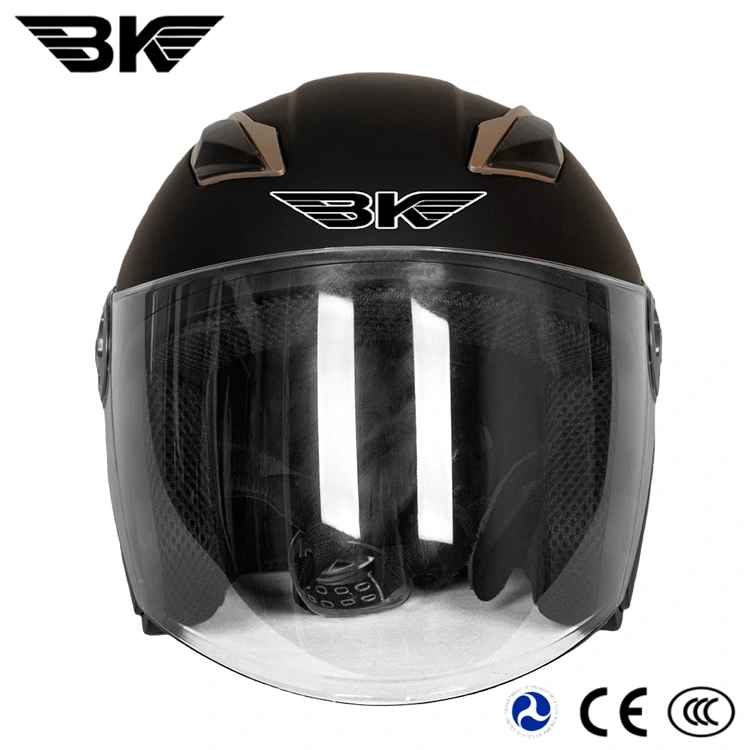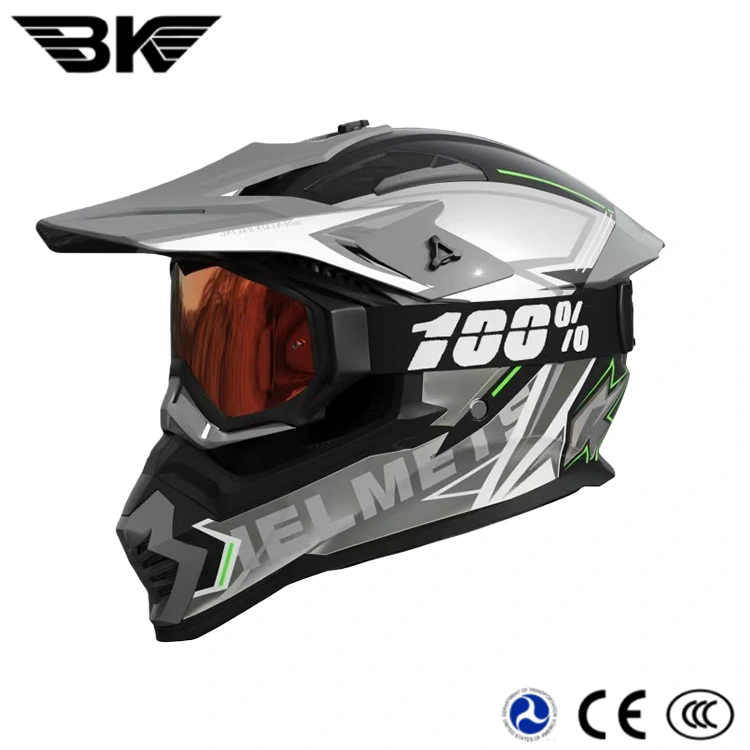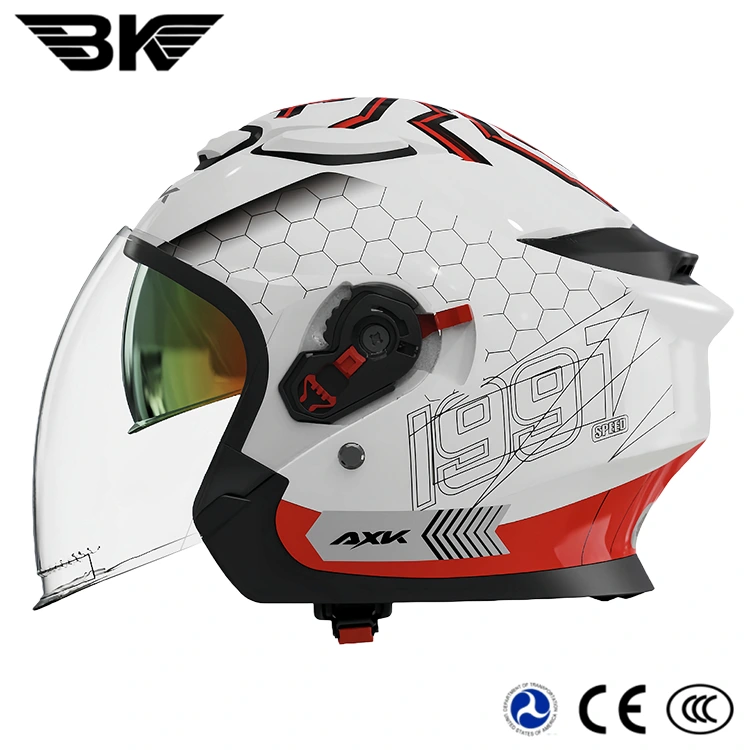

The sneakiest thing about Motorcycle Helmet is that its drop in protection rarely leaves any obvious mark on the outside. Take one that's been worn daily for three years—the shell might still look barely touched, just a few light scuffs, while deep inside the EPS impact-absorbing liner a whole different story is unfolding at the molecular level. Sweat vapor works its way into the foam cells, and the constant back-and-forth between baking in the summer sun and cooling down at night gradually stiffens those polymer chains. The tiny air pockets that are meant to crush and swallow energy in a crash? They slowly lose their give. You can't just eyeball a helmet and know if it'll still show up when the next hit comes. It can look ready for battle while its core has already gone soft.
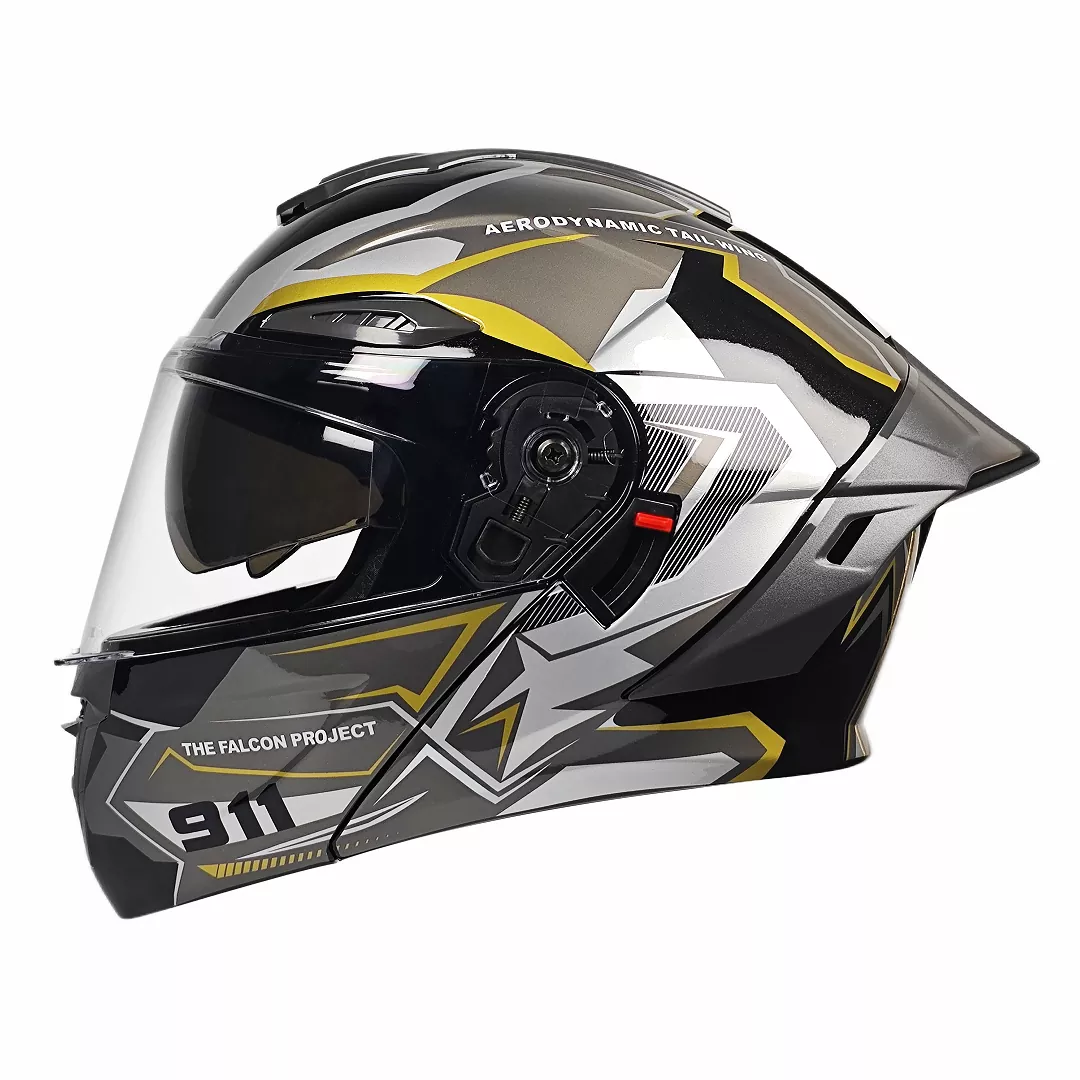
Most manufacturers state that you should replace your helmet five years after its first use, or seven years from the date of production stamped on the shell. This is not a marketing ploy designed to sell more units. It is rooted firmly in the physical property decay curve of expanded polystyrene material subjected to years of sweat absorption, extreme temperature swings, and high-frequency vibration from both engine and road. After approximately five years, the compression recovery rate of the liner can drop by 30% or more, which means its ability to absorb crash energy in a controlled manner is seriously compromised. Importantly, those five years begin ticking from the day you tear off the labels and start wearing it on rides—not from the purchase date it sat stored in a cool, dark closet. A helmet never worn will still age chemically, but the moment perspiration and UV radiation enter the equation, the countdown accelerates.
This point cannot be overstated: once a helmet has been involved in a collision where your head made contact with any surface, its mission is over—regardless of how pristine the shell might look from the outside. EPS foam is a sacrificial material. In absorbing impact energy, it develops thousands of internal micro-cracks. That process is irreversible. After such an event, the liner no longer possesses its original energy-absorbing efficiency. If you experience a second impact, the forces transmitted to your brain will be far higher than the design intended. The only correct course of action is to replace the helmet immediately after the accident, and before disposing of the old one, cut the straps off completely to prevent anyone from mistakenly reusing a spent shell.
Even if you've never actually hit the ground, it's smart to start looking around for a new lid once you spot a few things. First, take a good look at the liner. If it's visibly compressed and just stays flat without any of that original plush, springy feel, the foam has lost its fight. Second, try the shake test: put the helmet on and move your head side to side. If you feel your head sliding around independently—like the once-snug grip around your cheeks and crown has simply vanished—that's a clear signal. Third, if you swap in new cheek pads and the looseness still won't go away, you know the core EPS body itself has packed down over time. Once the liner can't lock your head into the right, stable position during a crash, the entire protective system takes a serious hit. The moment that Motorcycle Helmet stops feeling like a firm, confident handshake wrapped around your whole skull, it's time to let it go.
There are a handful of things riders do without a second thought that quietly eat away at a helmet's lifespan. Leaving it baking for hours on the rear deck of a car is one of the worst—that direct, unfiltered sunlight lets UV rays go to work on the shell material, speeding up the aging process way faster than normal use ever would. Hanging the helmet on a motorcycle mirror or hooking it over the gas cap might seem convenient, but all that weight concentrated on a single point presses into the liner in a way it was never meant to handle, creating tiny, invisible damage in the foam. Then there's the cleaning routine: grabbing whatever solvent or cleaner is within arm's reach. If that cleaner is petroleum-based, it can straight-up attack the chemical structure of the shell resin, breaking it down at a level you'll never see until it's too late.
The right way to store a helmet is frankly boring but effective: somewhere cool and dry, laid flat on a shelf or hung on a double-point hook that spreads the pressure out evenly across the inner padding. For cleaning, keep it simple—mild soap and water does the job on the shell, and when the liner needs freshening up, hand-wash it with a gentle detergent and let it air-dry completely before you put it back in. No shortcuts, no harsh chemicals. It's the kind of routine that adds years to a helmet's life without you even noticing.
Purchasing a used helmet is, in essence, acquiring a safety device with a completely unknowable history. The previous owner may have dropped it from the seat onto concrete, suffered a garage shelf fall that caused invisible EPS compaction, or—even worse—it might have already silently fulfilled its one-crash duty on a racetrack. The true service history of a helmet relies entirely on someone else's narration, and this is something you can never, ever entrust to a stranger's word, no matter how genuine they may seem. Even a seemingly “unused” display model can have aged abnormally if stored under fluorescent lights for years. On a safety budget, this is the last place to look for savings. The money for a new, certified helmet should be found elsewhere, never put at risk through the second-hand market.
A motorcycle helmet holds no sentimental souvenir value when it comes to safety. Its worth is not measured by the miles of beautiful scenery it has accompanied you through, but exclusively by whether it can still deliver protection in the fraction of a second when you need it most. Decisively retiring and replacing a helmet on schedule may feel like an unwanted expense, but in reality, it represents the most efficient money you will ever spend within your entire safety budget. Your head deserves nothing less.
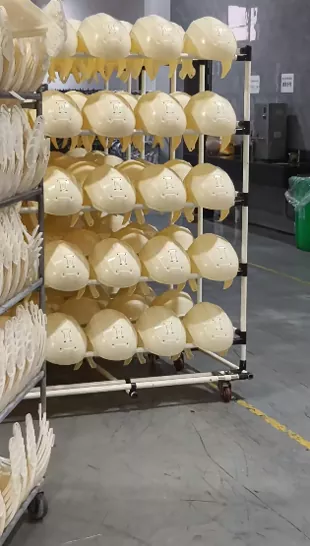
Ningde Chief Pigeon Technology Co., Ltd. provides a comprehensive range of motorcycle helmets spanning from reliable entry-level models to professional-grade racing designs, safeguarding every rider's journey with consistent, tested quality. Whether you are replacing an aging helmet approaching its expiration or simply looking to upgrade your current gear for enhanced comfort and protection, contact us today for expert advice and personalized selection guidance.